
FIFA World Cup 2026 Betting: The FullTime Edge Verdict
 Available in US
After nine years covering international football markets, this is the tournament I have been waiting for. The 2026 World Cup stretches across three countries, 16 stadiums, and 104 matches — and the betting landscape is unlike anything we have seen before.
Start ReadingWorld Cup 2026 Betting at a Glance: Five Things That Matter
- Spain lead the outright market at around 9/2, but their Group H draw alongside Uruguay creates a tougher path than England's comparatively gentle Group L — that gap in price deserves scrutiny.
- The expanded 48-team format means eight third-place finishers advance to the Round of 32, making group-stage qualification bets far less rewarding and outright each-way plays more attractive.
- Irish punters face a scheduling challenge: several marquee fixtures in West Coast US venues will kick off at 02:00 or later IST, so knowing the timetable shapes which matches you can realistically follow and bet live.
- Scotland's return to the World Cup after 28 years places them in Group C with Brazil and Morocco — a brutal draw, but one that offers genuine each-way value at 250/1 outright given the generous third-place advancement rules.
- The new Gambling Regulatory Authority of Ireland takes over licensing from 1 July 2026 — mid-tournament — meaning the regulatory environment for Irish bettors is shifting in real time as the group stage unfolds.
My Tournament Verdict: Who Wins the 2026 World Cup?
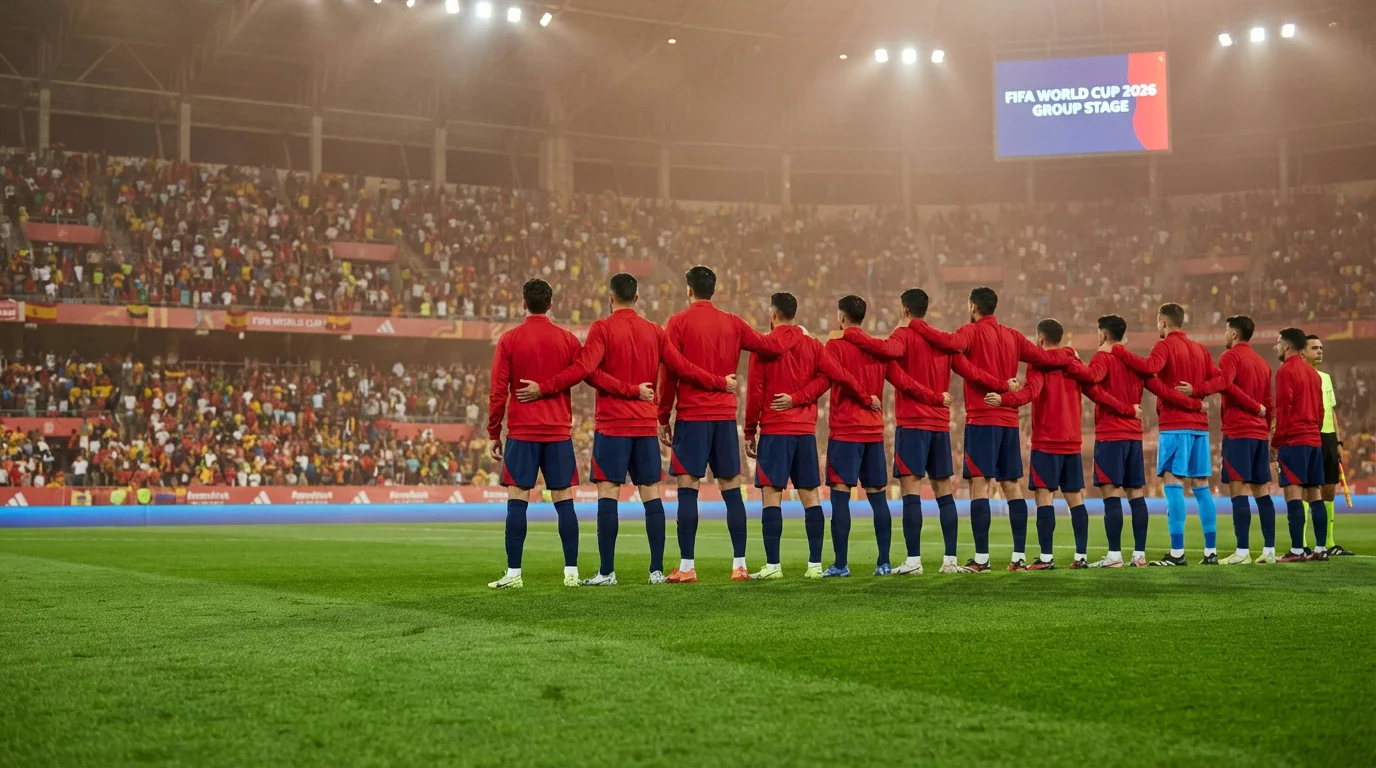
I watched Spain dismantle England in the Euro 2024 final in Berlin, and the thought that crossed my mind was not "they deserved it" — it was "they are going to be impossible to beat for the next two years." That prediction has held. Spain have not lost a competitive fixture, excluding penalty shootouts, in 29 consecutive matches stretching back to March 2023. They sit at the top of the World Cup 2026 betting market at roughly 9/2, and for once, I think the favourite deserves to be favourite.
But deserving to be favourite and representing value are two different conversations entirely. At 9/2, Spain carry an implied probability of around 18%. My own model, which weights squad depth, qualifying form, managerial continuity, and draw difficulty, puts them closer to 21%. That is a marginal edge — enough to include them in a portfolio, not enough to build your entire World Cup 2026 betting strategy around a single outright ticket.
The depth of this Spain squad is staggering. Lamine Yamal is 18 and already one of the three most decisive attacking players on the planet. Pedri controls tempo from central midfield the way Xavi did at his peak. Nico Williams gives them a left-sided outlet that can break any defensive structure. And behind all of that, Rodri — the Ballon d'Or holder — anchors everything. Thomas Tuchel at England has a squad of comparable individual talent, but Spain's system is two years more mature, and that matters enormously in a tournament format where you have a maximum of seven matches to peak.
Spain's 29-match unbeaten competitive run, a squad featuring the reigning Ballon d'Or winner and the youngest star in world football, and a system refined over two years under the same coaching staff make them the justified market leader at 9/2. The edge is slim but real.
England sit second in the market at 11/2 and represent the most interesting puzzle in this tournament. Thomas Tuchel was hired with one explicit brief: win the World Cup. He has a squad that reached the last two European Championship finals and lost both. The pattern is obvious — talent is not the issue, converting it under pressure is. Tuchel's track record in knockout football, including a Champions League win with Chelsea in 2021, suggests he understands tournament dynamics better than his predecessors. Group L — Croatia, Ghana, Panama — is manageable, and England's projected path to the semi-finals avoids both Spain and France until the final four. At 11/2, they are the bet I keep circling back to.
France at 8/1 remain a force, but I have concerns. Kylian Mbappé's form at Real Madrid has been inconsistent by his standards, and the transition from Didier Deschamps' pragmatic structure to a squad that now leans more heavily on individual moments creates volatility. Group I pairs them with Senegal, Iraq, and Norway — a group where Erling Haaland's presence alone makes the second match unpredictable. France have the ceiling to win this tournament. They also have the floor to exit in the quarter-finals. At 8/1, I am not being paid enough for that range of outcomes.
Argentina at 8/1 face a question that no odds model can fully answer: is this Lionel Messi's last dance? If Messi is fit and motivated, Argentina's floor rises dramatically. If he is managing minutes as a 38-year-old in the North American summer heat, the dynamics shift. Group J — Algeria, Austria, Jordan — should not trouble them, but the knockout bracket from that side of the draw runs through Portugal or Germany. I rate Argentina as a hold, not a back. The price has not moved enough since the draw to reflect the difficulty of their projected path.
Brazil intrigue me more than their 8/1 price initially suggests. Carlo Ancelotti as head coach brings a calm tactical authority that Brazil have lacked for a decade. The squad is loaded with attacking options — Vinicius Junior, Raphinha, Rodrygo, Endrick — and Ancelotti has shown at Real Madrid that he can structure a team around flair without sacrificing defensive solidity. Group C with Morocco, Haiti, and Scotland is navigable, and Brazil's side of the bracket looks softer than the Spain-England corridor. If you are looking for a full odds breakdown and value assessment, I have rated every contender in detail. For this verdict, Brazil at 8/1 are my value pick among the top five — a price that underestimates Ancelotti's tournament pedigree.
Carlo Ancelotti has managed in 11 Champions League knockout campaigns and reached the final in five of them. No other active manager in world football has a comparable record in high-stakes tournament play, and that experience now transfers to the biggest stage of all.
Germany at 12/1 and the Netherlands at 20/1 round out the realistic contenders. Germany's group — Côte d'Ivoire, Ecuador, Curaçao — is among the easiest in the draw, but their consecutive group-stage exits in 2018 and 2022 have permanently altered how the market prices them. There is value at 12/1 if you believe the expanded format (where even a third-place finish likely advances) removes the risk of another early embarrassment. The Netherlands under Ronald Koeman have a balanced squad but lack the individual X-factor that separates semi-finalists from champions. I would not back them outright, but they are worth monitoring for quarter-final and semi-final advancement markets.
My outright position: Spain to win at 9/2 as a small-stake back, England at 11/2 as my primary selection, and Brazil at 8/1 as my each-way play. Three tickets, weighted toward England, hedged across the two sides of the draw. That is how I am approaching the World Cup 2026 betting outright market — not with a single conviction pick, but with a portfolio that covers the most likely winning corridors while leaving room for the tournament to surprise me.
Group-by-Group Ratings: Where the Value Hides
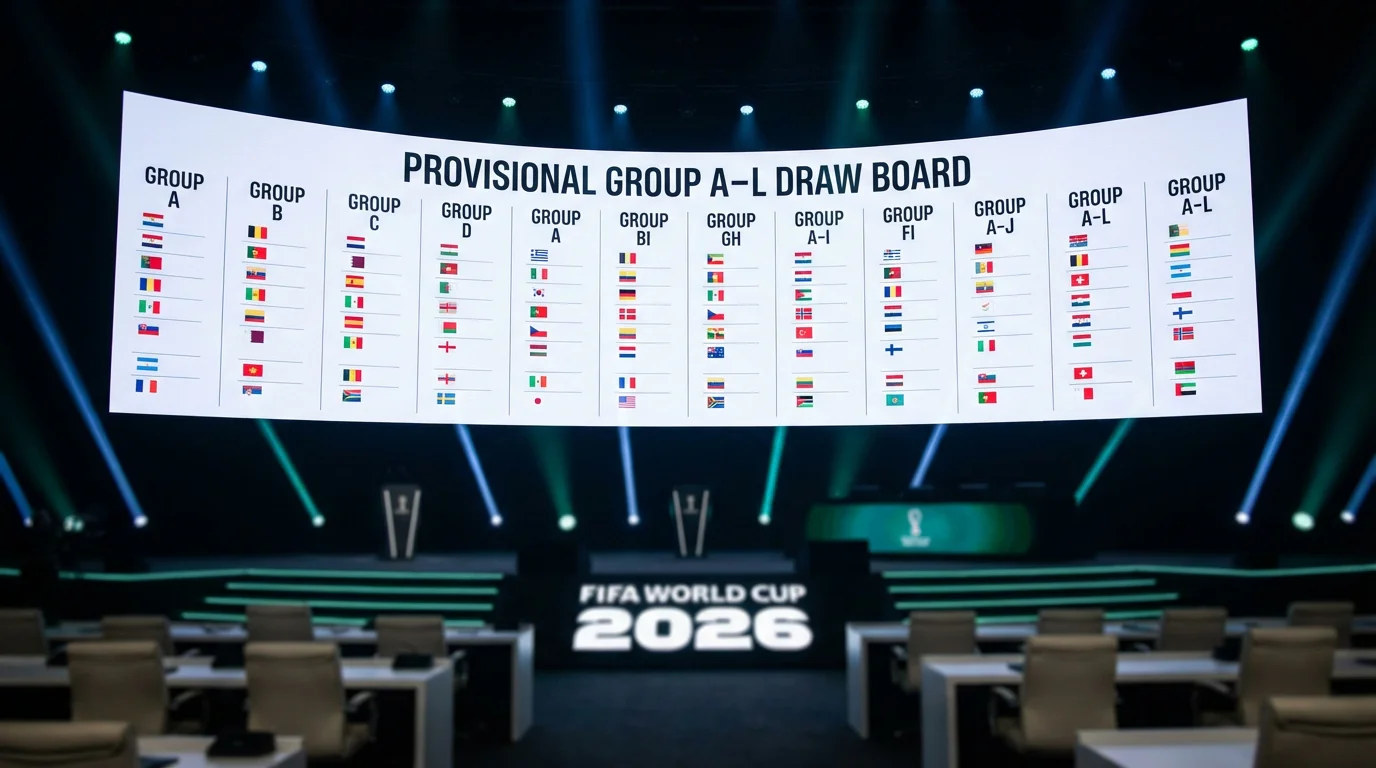
Twelve groups. Forty-eight teams. And a format where finishing third is often good enough to advance. I have rated every group on a 10-point excitement scale — factoring in competitive balance, betting market interest, and potential for upsets. If you are building your World Cup 2026 betting card around group-stage markets, these are the groups that deserve your attention and the ones you can safely ignore.
Groups A through D: The Openers
Group A (Mexico, South Korea, South Africa, Czechia) rates a solid 7/10 for betting interest. Mexico as co-hosts carry the emotional weight, but Czechia — who only qualified through the playoffs after a penalty shootout win over Denmark — are a live underdog. The Czechs beat the Republic of Ireland on penalties in the semi-final and then stunned Denmark in the final. That kind of nerve under pressure translates directly to group-stage resilience. Mexico are around evens to top the group, but I see genuine value in Czechia at 13/5 to finish in the top two.
Group B (Canada, Bosnia and Herzegovina, Qatar, Switzerland) gets 6/10. Switzerland are the quiet professionals of international football — they rarely excite, but they almost never exit early. Bosnia's playoff run, which included knocking out four-time champions Italy on penalties in Zenica, makes them the sentimental pick, but their squad lacks the depth for a sustained tournament run. Canada at home will be dangerous in Toronto, but their inconsistency in CONCACAF qualifying tempers expectations.
Group C (Brazil, Morocco, Haiti, Scotland) is personal for Irish punters, and I rate it 9/10. Scotland are back at the World Cup for the first time since France 1998 — 28 years of hurt ending with Steve Clarke's side taking on Brazil, Morocco, and Haiti across venues in Boston, New Jersey, and Atlanta. Brazil are heavy favourites to top the group at around 1/3, and Morocco — 2022 semi-finalists — should take second. Scotland's battle is for third place and a potential Round of 32 berth, which makes Scotland's World Cup 2026 betting markets far more interesting than the outright price suggests. I will dig deeper into this group in the dark horses section below.
Scotland have played in eight previous World Cups and never advanced beyond the group stage. In 1974, they were the only unbeaten team eliminated from the tournament — a statistical quirk that perfectly captures the Tartan Army's relationship with fine margins.
Group D (USA, Paraguay, Australia, Türkiye) scores 7/10. The hosts open against Paraguay in Los Angeles and should progress, but Türkiye — back at the World Cup for the first time since their sensational 2002 semi-final run — add genuine intrigue. Türkiye defeated Kosovo 1-0 in the playoff final to qualify, and their squad features Arda Güler, Hakan Çalhanoğlu, and Kenan Yildiz. At around 20/1 for the outright market and much shorter to top this group, Türkiye represent one of the more interesting speculative plays in the tournament.
Groups E through H: The Middle Tier
Group E (Germany, Côte d'Ivoire, Ecuador, Curaçao) is the easiest draw any traditional power received, and I rate it 5/10 for excitement. Germany should walk through it. The only question is whether Côte d'Ivoire or Ecuador finishes second — and frankly, neither outcome moves the needle for most punters. Curaçao, making their World Cup debut, will enjoy the occasion but are priced at 100/1 to top the group for good reason. Skip this one unless you are specifically targeting the Côte d'Ivoire versus Ecuador match for a head-to-head bet.
Group F (Netherlands, Japan, Sweden, Tunisia) deserves an 8/10. Japan's rise over the past two World Cup cycles has been remarkable — they topped their qualifying group as the first team to book a ticket to this tournament, and their pressing game under Hajime Moriyasu has beaten Germany and Spain in recent years. Sweden, who qualified through the playoffs with a dramatic Viktor Gyökeres winner against Poland in the 88th minute, add needle. The Netherlands should top the group, but Japan at around 7/2 to finish first represent fair value.
Group G (Belgium, Egypt, Iran, New Zealand) rates just 5/10, though the Iran situation adds an unpredictable element. Despite reports of a potential withdrawal, FIFA president Gianni Infantino confirmed on 1 April 2026 that Iran will participate and play their matches as scheduled in US venues. Belgium's golden generation is ageing — Kevin De Bruyne and Romelu Lukaku are in the twilight — but the group is weak enough that it should not matter. Egypt with Mohamed Salah will attract attention, but their World Cup pedigree is thin. Not a group I am investing in.
Group H (Spain, Cape Verde, Saudi Arabia, Uruguay) scores 8/10 purely because of the Spain-Uruguay collision. This is the toughest group any top-four favourite received. Uruguay are perennial over-performers at World Cups — they reached the quarter-finals in 2018 and have a squad that blends veteran guile with emerging talent. Spain should still top the group, but a slip against Uruguay could create bracket complications that ripple through the knockout rounds. Cape Verde, making their World Cup debut, are a feel-good story but not a betting proposition.
Groups I through L: The Closers
Group I (France, Senegal, Iraq, Norway) gets 8/10, and it is entirely because of Erling Haaland. Norway qualified for their first World Cup since 1998 on the back of Haaland's goals, and the France versus Norway fixture is the most marketable group-stage match in the entire draw. Senegal are solid — they won the Africa Cup of Nations in 2022 and have genuine quality across the squad. Iraq, the final team to qualify after beating Bolivia 2-1 in the intercontinental playoff, round out a group that offers value in the second-place market. I rate Norway at around 5/1 to finish second as a reasonable play.
Group J (Argentina, Algeria, Austria, Jordan) rates 6/10. Argentina should cruise unless Messi's fitness becomes a genuine issue. Austria, who reached the Euro 2024 round of 16 under Ralf Rangnick, have the tactical structure to compete for second place, but their ceiling in a broader tournament context is limited. Jordan, making their first ever World Cup appearance, are a wildcard — their run to the 2024 Asian Cup final showed they can defend resolutely against stronger opposition. Not a group I am building bets around.
Group K (Portugal, DR Congo, Uzbekistan, Colombia) scores 7/10. Colombia are the danger team here — they reached the 2024 Copa America final and have a squad that mixes Premier League quality with South American flair. Portugal under Roberto Martínez remain heavily dependent on the system rather than individual brilliance in the post-prime-Ronaldo era, though Cristiano Ronaldo's potential appearance at age 41 adds narrative weight. DR Congo, who qualified by beating Jamaica in extra time in the intercontinental playoff, are debutants in practical terms — their only previous appearance was as Zaire in 1974.
Group L (England, Croatia, Ghana, Panama) gets 7/10. This is a group England should win comfortably, and that is precisely why the group-winner market offers poor value. Croatia are ageing but still capable of a result — they reached the 2022 semi-finals with essentially this squad, just two years older. Ghana and Panama are making up the numbers. The real value in Group L is not the group itself but what it sets up: England's projected path through the Round of 32 and Round of 16 is among the most favourable in the draw, and that has not been fully priced into the outright market.
The groups with the strongest betting angles are C (Scotland's third-place battle), F (Japan as a genuine group winner threat), H (the Spain-Uruguay clash), and I (Norway's Haaland factor). Target these four groups for your pre-tournament card — the others are either too predictable or too chaotic to offer consistent edges.
Understanding which groups offer value is one thing — knowing how to access those markets as an Irish punter is another. The regulatory and practical landscape for World Cup 2026 betting in Ireland has shifted significantly in the past year.
The Betting Landscape for Irish Punters
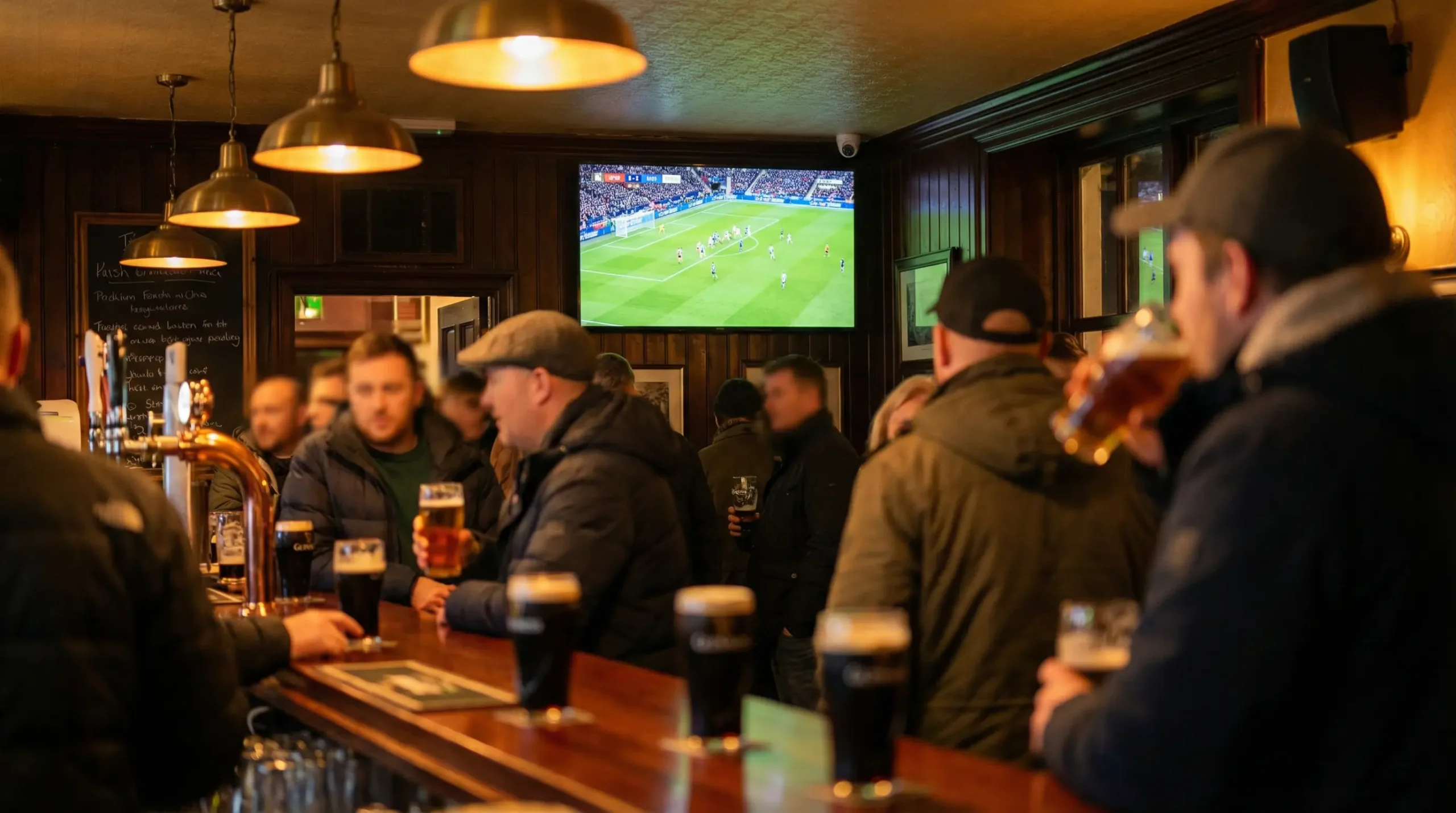
Three weeks before the opening match in Mexico City, a new regulatory body will start accepting licence applications that will reshape how you bet on this tournament. The Gambling Regulatory Authority of Ireland — GRAI — began processing remote betting licence applications on 9 February 2026, with those licences taking effect from 1 July 2026. That date falls right in the middle of the group stage. The practical implication for you, the punter, is that the operators you use today will still be available through the tournament, but the rules governing how they advertise to you and what promotions they can offer are changing in real time.
The Gambling Regulation Act 2024 replaced legislation that dated back to 1931 — yes, your grandfather's betting laws were technically still on the books until recently. Under the new framework, several restrictions directly affect how you will experience World Cup 2026 betting. Gambling advertising on television and radio is now banned between 05:30 and 21:00, which means the saturation of betting ads during daytime sports coverage is over. Targeted advertising on social media is restricted to users who already hold accounts with the operator. VIP programmes, personalised bonuses, and free bet promotions are prohibited. And betting with credit cards is banned entirely.
GRAI — The Gambling Regulatory Authority of Ireland, established in March 2025 under the Gambling Regulation Act 2024. It replaces the previous fragmented licensing system and serves as the single regulatory body for all gambling activity in the Republic of Ireland.
What does this mean in practice? If you are an experienced punter, your core activity — placing bets, withdrawing winnings, shopping for odds — remains unchanged. The operators are not going anywhere. What disappears is the noise around the edges: the push notifications offering "enhanced odds" on England's first match, the free bet offers tied to tournament sign-ups, the VIP account manager suggesting you increase your stakes. For some punters, this will feel like a loss. For most, it removes the mechanics that the industry uses to encourage over-betting during high-profile events. I view it as a net positive for the kind of disciplined, value-focused World Cup 2026 betting this site advocates.
The format of odds remains fractional by default in Ireland, matching the UK convention. Every price I quote on FullTime Edge uses fractional format — 9/2, 11/2, 8/1 — because that is what you see when you open your app or walk into a shop on the high street. Decimal odds are available as a toggle on every major platform if you prefer them for accumulator calculations, but I have always found that fractional odds make it easier to assess value intuitively. When I say a team is 8/1, you immediately know the implied probability is around 11% and the potential return on a tenner is eighty quid plus your stake back. That clarity matters when you are comparing prices across five or six operators during a live tournament.
Currency is straightforward — you are betting in euro, and all stakes and returns on this site are quoted in EUR. The one wrinkle worth noting is that some UK-focused operators display GBP as the default and require you to switch your account settings. If you opened an account through a UK link or promotion, double-check your currency settings before the tournament starts. A 10% currency conversion fee on every withdrawal adds up quickly over 39 days of football.
For a complete walkthrough of markets, accumulator strategy, and timing your bets, the World Cup 2026 betting guide covers the practical mechanics in detail. What I want to emphasise here is the broader landscape: Ireland's betting culture is deeply embedded — around 8% of the population, roughly 410,000 people, experience problem gambling according to ESRI research — and a World Cup of this scale, running for nearly six weeks with matches available from early afternoon through to the small hours, creates a sustained exposure window that previous tournaments did not. Bet with a plan. Set a tournament budget. Treat it as entertainment with an analytical edge, not as a second income. The value picks I share across this site are designed to be selective, not exhaustive — a handful of strong positions is always better than a scatter-gun approach that bleeds your bankroll through volume.
The regulatory shift under GRAI removes aggressive promotional tactics but does not change the core betting experience. Irish punters should confirm their account currency is set to EUR, familiarise themselves with the new advertising restrictions, and approach the tournament with a fixed budget and selective strategy.
Dark Horses Worth Your Each-Way Stake

Every World Cup produces at least one team that nobody saw coming. In 2022, it was Morocco reaching the semi-finals at 150/1 pre-tournament. In 2018, Croatia — a nation of four million people — made the final. The expanded 48-team format makes dark horse runs more likely, not less, because the Round of 32 means a strong third-place group finish still puts you in the knockout bracket. Here are four teams whose World Cup 2026 betting prices look too generous given the structural advantages the format provides.
Scotland at 250/1 outright are the obvious pick for Irish punters, and not just for sentimental reasons. Steve Clarke's squad is the strongest Scotland have produced in a generation. Scott McTominay has been sensational at Napoli, Andy Robertson remains one of the best left-backs in Europe, and the qualifying campaign — which included a decisive 4-2 win over Denmark that sealed automatic qualification — demonstrated genuine quality under pressure. Group C with Brazil, Morocco, and Haiti is tough, but the path to advancement is clear: beat Haiti, compete hard against Morocco, and accept that the Brazil match is a free swing. If Scotland take four points from their first two matches, they are almost certainly through as one of the eight best third-place finishers. The outright price at 250/1 each-way, with most bookmakers paying four places, means a semi-final run returns significant money.
Norway at 25/1 represent the most interesting mid-range dark horse in the tournament. Erling Haaland in a World Cup is the storyline the football world has been waiting for, and Norway's qualifying campaign was built almost entirely on his goals. The concern is that Norway are a one-man team in a format that demands depth across seven potential matches. Group I with France, Senegal, and Iraq is challenging but not impossible — second place is achievable if Haaland delivers in the decisive fixtures. At 25/1, the price reflects the Haaland factor without fully accounting for the risk that Norway lack the squad depth to survive deep into the knockout rounds. I would back Norway each-way at anything north of 20/1 but would not go shorter.
Türkiye at 200/1 are back at the World Cup for the first time since their extraordinary 2002 run, where they finished third. This is not the same naive squad — Arda Güler at Real Madrid, Hakan Çalhanoğlu orchestrating Inter Milan's midfield, and Kenan Yildiz emerging as one of Serie A's most exciting young players give them genuine quality in key positions. Group D with the USA, Paraguay, and Australia is competitive but winnable, and Türkiye's history of tournament over-performance makes them a far more credible long-shot than the 200/1 implies. I rate this as a small-stake each-way play — the kind of bet that costs you a few euro and returns handsomely if tournament form clicks.
Colombia at 33/1 are the dark horse I keep returning to in my analysiss. They reached the 2024 Copa America final, losing narrowly to Argentina, and their squad mixes Premier League quality — Luis Diaz, Jhon Duran — with South American technical depth. Group K pairs them with Portugal, DR Congo, and Uzbekistan. Finishing second behind Portugal is realistic, and the knockout bracket from that side of the draw is navigable. At 33/1, Colombia offer the profile I look for in a dark horse: recent tournament pedigree, individual quality in decisive positions, and a price that has not yet adjusted to how the draw fell.
Dark horses matter most when you understand the schedule that governs them. For Irish fans, knowing which matches fall at watchable hours — and which require a 03:00 alarm — shapes not just your viewing but your live betting strategy.
Kick-Off Times: What Irish Fans Need to Know
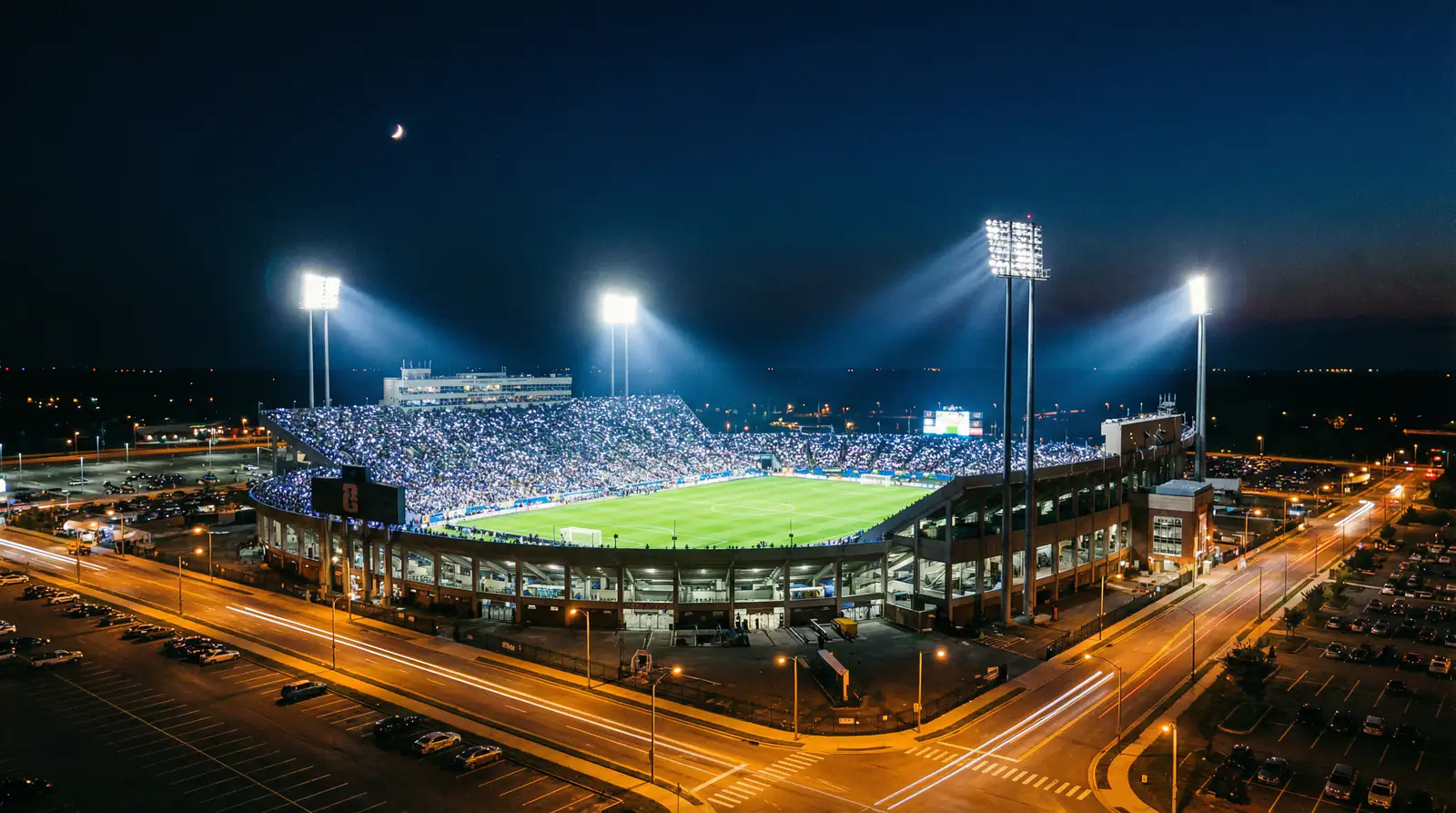
I will be honest — this is the part of the 2026 World Cup that worries me most as someone based in this time zone. A tournament spread across North America, from Vancouver on the Pacific coast to Boston on the Atlantic, means kick-off times in Irish Standard Time range from perfectly civilised to genuinely punishing. If you are planning your World Cup 2026 betting around live markets and in-play opportunities, the schedule is not optional reading. It is the foundation of your entire strategy.
Ireland operates on IST (UTC+1) during the summer months, which puts us five hours ahead of Eastern Time and eight hours ahead of Pacific Time. The practical effect is straightforward for East Coast venues: a 15:00 ET kick-off in New York or Miami translates to 20:00 IST — a comfortable evening match. An 18:00 ET start becomes 23:00 IST — late but manageable. The problems begin with West Coast fixtures. A 21:00 ET match in Seattle or the Bay Area starts at 02:00 IST, and a 21:00 PT kick-off from Los Angeles translates to 05:00 IST the following morning. These are not hypothetical edge cases — several marquee fixtures are scheduled for West Coast venues at late local times.
The opening match — Mexico versus South Africa at Estadio Azteca in Mexico City — kicks off on 11 June. Mexico City operates on Central Time (UTC-5 in summer), so depending on the local kick-off time, Irish viewers can expect a late evening start. The final at MetLife Stadium in East Rutherford, New Jersey is confirmed for 15:00 ET on 19 July, which translates to 20:00 IST — the perfect slot for an Irish audience.
For Scottish interest, which is where many Irish neutrals will focus their emotional and financial investment, the schedule presents a mixed picture. Scotland's opener against Haiti in Foxborough (Boston) is pencilled for 21:00 ET on 13 June, meaning a 02:00 IST start on 14 June. The second match against Brazil at MetLife Stadium in East Rutherford is at 18:00 ET on 19 June — a 23:00 IST kick-off. The final group match against Morocco in Atlanta has a date and time still to be confirmed. Two of Scotland's three matches fall at anti-social hours for Irish viewers, which means pre-match betting and early cash-out strategies become more important than usual.
England's Group L fixtures are more forgiving. Their opener against Croatia in Dallas on 17 June at 16:00 ET translates to 21:00 IST — prime time. The remaining group matches should follow similar East Coast or Central time slots, keeping them within the 20:00-to-midnight IST window that most Irish fans can sustain over a working week.
| Match | Venue | Local Time (ET) | IST |
|---|---|---|---|
| Mexico vs South Africa (Opener) | Estadio Azteca, Mexico City | TBC | TBC |
| Haiti vs Scotland | Foxborough/Boston | 21:00 ET, 13 Jun | 02:00, 14 Jun |
| Scotland vs Brazil | East Rutherford/NJ | 18:00 ET, 19 Jun | 23:00, 19 Jun |
| England vs Croatia | Arlington/Dallas | 16:00 ET, 17 Jun | 21:00, 17 Jun |
| Final | MetLife Stadium, NJ | 15:00 ET, 19 Jul | 20:00, 19 Jul |
The scheduling lesson for World Cup 2026 betting is simple: know which matches you can watch live and which you cannot. In-play betting on a match you are not watching is guesswork, not strategy. For the late-night and early-morning fixtures, place your pre-match bets, set your cash-out thresholds, and trust the preparation you did beforehand. A complete fixture list converted to Irish Standard Time is available elsewhere on this site, covering every match, venue, and IST kick-off across all 39 days.
The FullTime Edge Picks: My Pre-Tournament Card
Nine years of covering football betting markets has taught me one thing about World Cups: the punters who win are the ones who decide what they are backing before the first ball is kicked and then exercise patience while the tournament unfolds. Chasing odds during the group stage, reacting to every shock result with a new bet, tailing whatever hot take trends on social media — that is how you drain your bankroll by the quarter-finals. Here is my pre-tournament card: five positions I am entering before 11 June and holding through to settlement.
My primary outright bet is England at 11/2 each-way. I have laid out the reasoning in the tournament verdict above — Tuchel's knockout pedigree, a favourable draw, and a squad that has the talent to win seven consecutive matches. Each-way terms at four places mean a semi-final exit still returns profit, which effectively hedges the risk of another tournament heartbreak. The staking is aggressive for me — this is my highest-conviction play of the tournament.
My value outright bet is Brazil at 8/1 each-way. Ancelotti transforms the risk profile of this team. Brazil have underperformed their talent level at the last two World Cups, but a manager who has won the Champions League four times brings a level of calm and tactical discipline that previous coaches could not. The each-way safety net is important here — Brazil reaching the semi-finals is more likely than Brazil winning the whole tournament, and the 8/1 price makes the place portion of the bet attractive on its own.
My dark horse play is Scotland at 250/1 each-way. This is a small-stake sentimental bet with genuine mathematical justification. The eight best third-place finishers advance, and Scotland's group — while tough — gives them a realistic path to four points through victories over Haiti and a competitive showing against Morocco. If they reach the quarter-finals, the each-way terms pay out at a fraction of the full price. The downside is limited to the stake; the upside, however improbable, is substantial. Every Irish punter I know is backing Scotland in some form — this is the bet that turns the neutral viewing experience into something with stakes attached.
Each-Way Maths: Scotland at 250/1
A EUR 5 each-way bet (EUR 10 total outlay) at 250/1 with 1/4 odds for four places:
Win portion: EUR 5 at 250/1 = EUR 1,250 profit + EUR 5 stake back = EUR 1,255
Place portion (semi-final): EUR 5 at 62.5/1 (250/1 divided by 4) = EUR 312.50 profit + EUR 5 stake back = EUR 317.50
Total return if Scotland win: EUR 1,572.50 from a EUR 10 outlay.
Total return if Scotland reach the semi-finals but do not win: EUR 317.50 from a EUR 10 outlay.
My group-stage bet is Japan to win Group F at around 7/2. I have touched on this in the group ratings section, but it bears repeating: Japan's trajectory over the last two World Cup cycles has been steep. They beat both Germany and Spain in the group stage in 2022, and their pressing system under Moriyasu has only become more refined since. The Netherlands are favourites, but Japan's intensity in the opening 30 minutes of matches consistently disrupts European opponents who expect to control possession. At 7/2, the implied probability is around 22%, and I rate Japan's actual chance of topping Group F closer to 28%. That gap represents an edge worth exploiting.
My speculative long-shot is Norway to reach the semi-finals at around 14/1. This is not an outright bet — it is a market-specific play targeting the "to reach the semi-finals" proposition, where the price is shorter but the probability of collection is meaningfully higher. Haaland's goal-scoring rate in international football is absurd, and if Norway navigate their group and draw a beatable Round of 32 opponent, the quarter-final becomes a coin-flip against whoever emerges from the other side of the bracket. The semi-final market captures the scenario where everything goes right for Norway without requiring them to actually win the tournament.
Five bets. Three each-way outrights, one group winner, one advancement market. Total pre-tournament outlay across all five positions: under EUR 60 if you size your stakes sensibly. That is a tournament budget most punters can absorb, and it gives you skin in the game from the opening whistle in Mexico City through to the final at MetLife. I will update these picks and add in-tournament positions as the group stage develops — the group-by-group predictions page will carry live assessments throughout June and July.
A disciplined pre-tournament card of five selective bets — spread across outright, group, and advancement markets — gives you broad tournament coverage for under EUR 60. Resist the urge to add bets reactively during the group stage; the value is in the preparation, not the improvisation.
Author Biography
FAQ
World Cup 2026 Betting: Frequently Asked Questions
How does the 48-team World Cup format affect betting?
The expanded format creates 12 groups of four teams, with the top two from each group plus the eight best third-place finishers advancing to a Round of 32. For bettors, this means group-stage qualification bets offer less value — most teams have a realistic path to advancement even from tough groups. The real impact is on outright and each-way markets: more knockout rounds mean more variance, and each-way terms paying four places (semi-finalists) become significantly more attractive because a dark horse reaching the last four is structurally more likely with the additional round.
What odds format do Irish bookmakers use for the World Cup?
Irish bookmakers default to fractional odds — the format you see expressed as 9/2, 11/2, or 8/1. This matches the UK convention and is the standard across high-street shops and online platforms in Ireland. Every major operator offers a toggle to switch to decimal odds in your account settings, which some punters prefer for calculating accumulator returns. On FullTime Edge, all prices are quoted in fractional format unless otherwise stated, because that is the format most Irish punters process instinctively.
Is online betting on the World Cup legal in Ireland?
Yes. Online betting is fully legal and regulated in the Republic of Ireland. The Gambling Regulation Act 2024 modernised the legal framework, and the Gambling Regulatory Authority of Ireland (GRAI) now oversees all licensed operators. Remote betting licences under the new regime take effect from 1 July 2026, which falls during the World Cup group stage. Existing licensed operators will continue to operate throughout the tournament. Key restrictions under the new law include a ban on credit card betting, a prohibition on VIP programmes and personalised bonuses, and advertising restrictions during daytime broadcast hours.
When does the 2026 World Cup start and finish?
The tournament runs from 11 June to 19 July 2026 — a span of 39 days covering 104 matches across 16 stadiums in the United States, Mexico, and Canada. The opening match is Mexico versus South Africa at Estadio Azteca in Mexico City. The final takes place at MetLife Stadium in East Rutherford, New Jersey, with a confirmed kick-off of 15:00 ET, which translates to 20:00 Irish Standard Time. The group stage runs through late June, with the knockout rounds beginning in early July.
Who are the favourites to win the 2026 World Cup?
As of early April 2026, Spain lead the outright betting market at approximately 9/2, followed by England at 11/2, France at 8/1, Brazil at 8/1, and Argentina at 8/1. Germany sit further back at 12/1, with the Netherlands at 20/1. These prices reflect squad strength, draw difficulty, and recent tournament form. Spain's status as favourites is underpinned by a 29-match unbeaten run in competitive fixtures and a squad featuring Lamine Yamal, Pedri, and Ballon d'Or holder Rodri. England's price factors in Thomas Tuchel's appointment and a favourable Group L draw.
Can I bet on Scotland at the World Cup from Ireland?
Absolutely. Scotland are available in all standard World Cup betting markets through any licensed Irish bookmaker — outright winner, group stage markets, match result, goalscorer props, and advancement markets. Scotland are priced at around 250/1 to win the tournament outright and approximately 7/1 to win Group C. For Irish punters, Scotland represent the most emotionally resonant betting interest at this tournament given the shared Celtic football culture and Ireland's own elimination in the qualifying playoffs. Each-way outright bets on Scotland offer the most efficient way to back them with downside protection.
